Unit 202a 3430 Brighton Avenue
Burnaby, BC V5A 3H4
(604) 728-6351
Planet Studio Burnaby opens its long-awaited facility on November 1 at Unit 202a, 3430 Brighton Avenue, in the Lougheed area of North Burnaby, steps from the Pr...
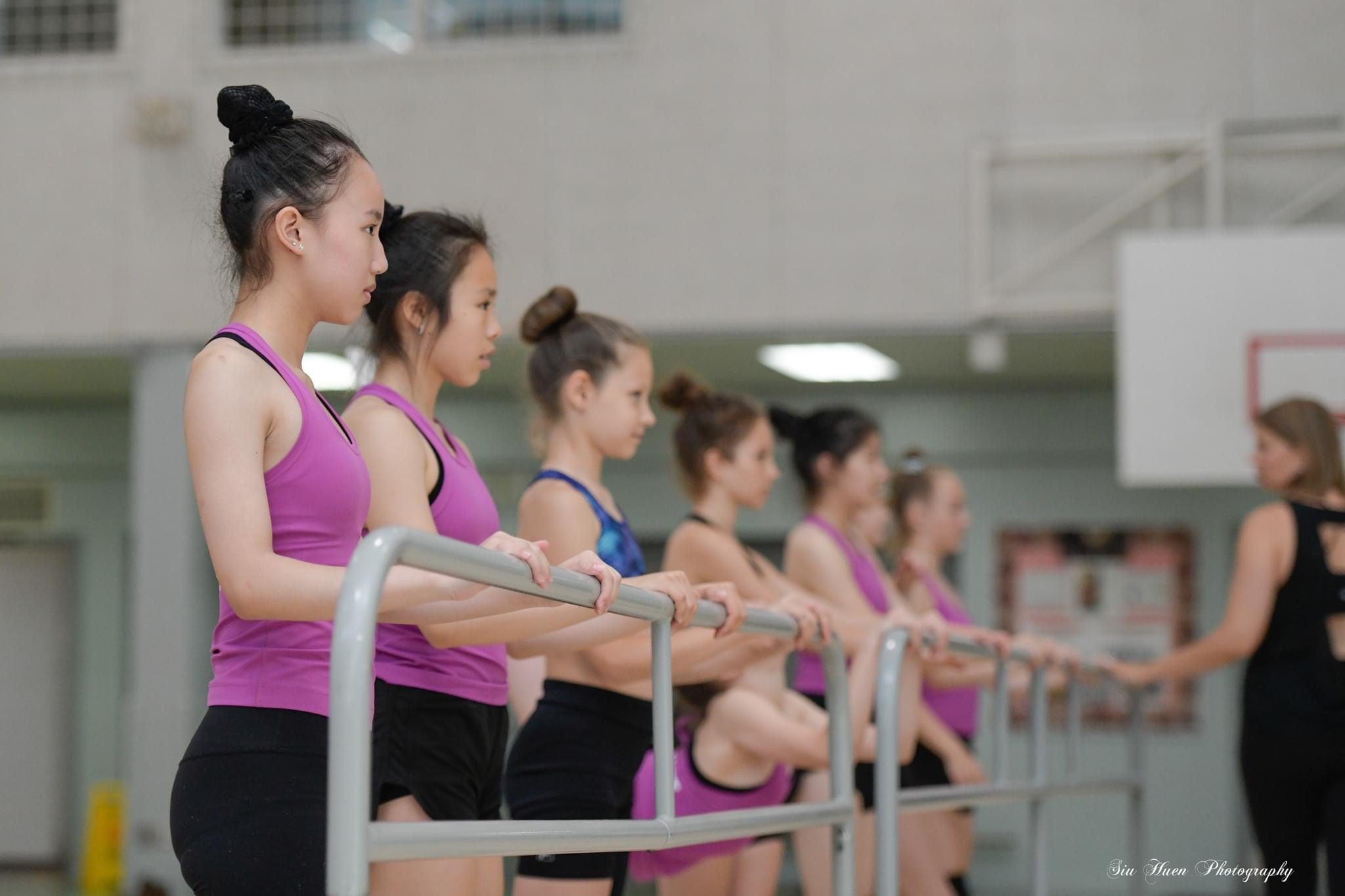
Club Planet Rhythmics teaches rhythmic gymnastics at St. Francis Xavier School, 428 Great Northern Way, in Mount Pleasant, Vancouver. Ages 5 to 18.
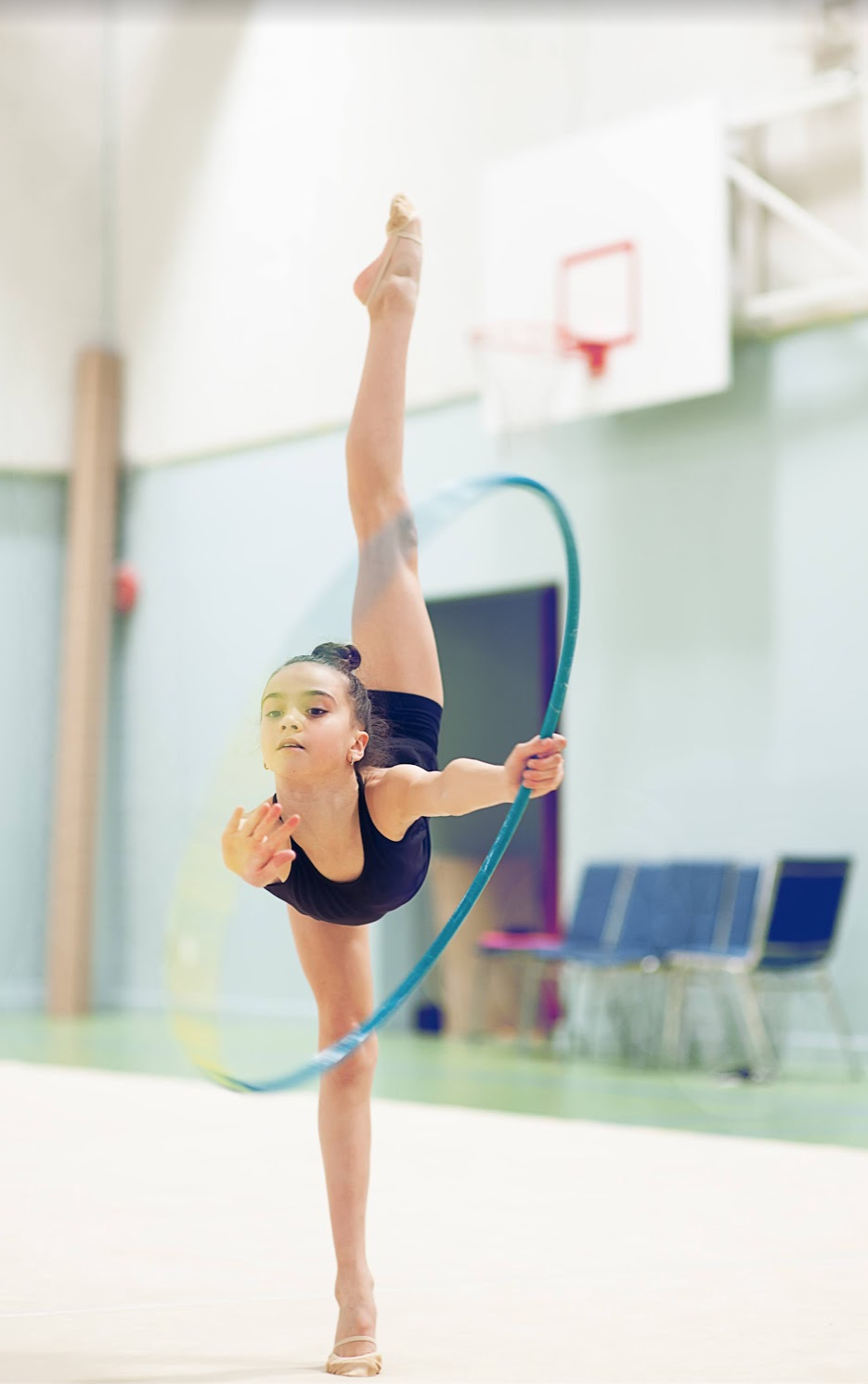
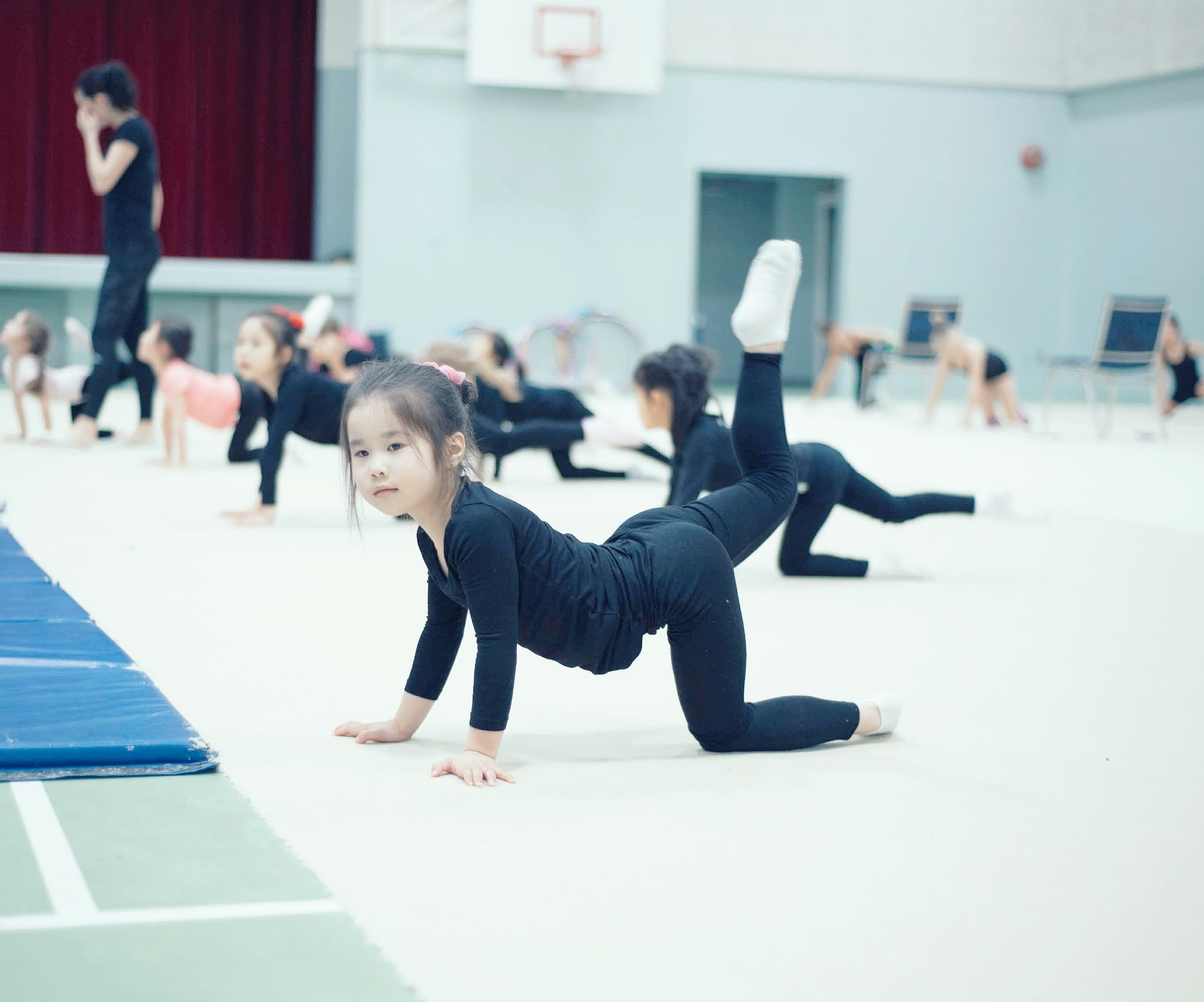
Rhythmic gy...
What are the health benefits of rhythmic gymnastics?
+
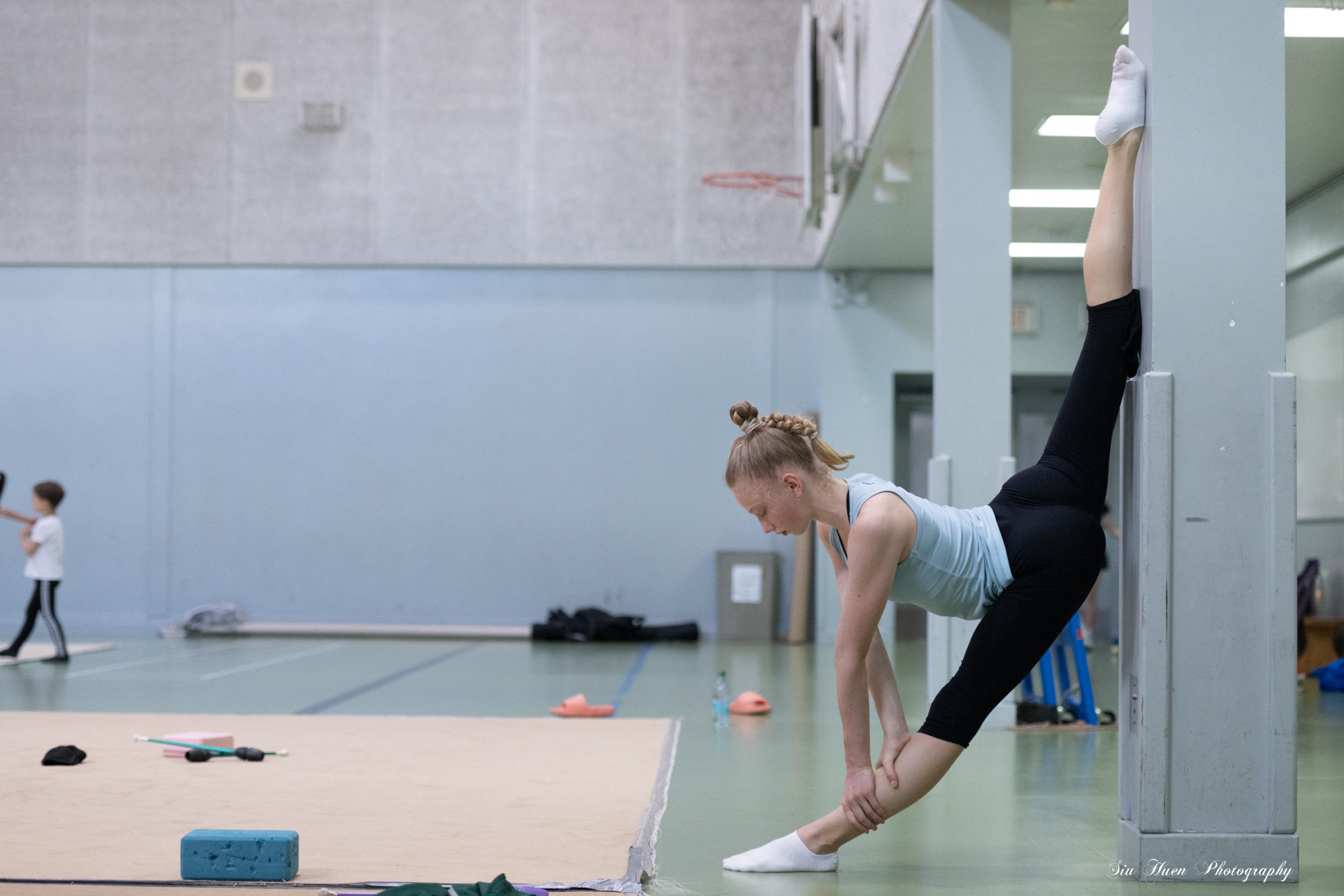
Rhythmic gymnastics supports the development of the whole body and mind. It helps improve cardiovascular fitness, muscular strength, flexibility, coordination, balance, and body awareness. Training with music also encourages self-expression and can have a positive effect on emotional well-being. Learning and remembering routines further develops concentration, memory, and other cognitive skills.
What equipment do we need for rhythmic gymnastics training?
+
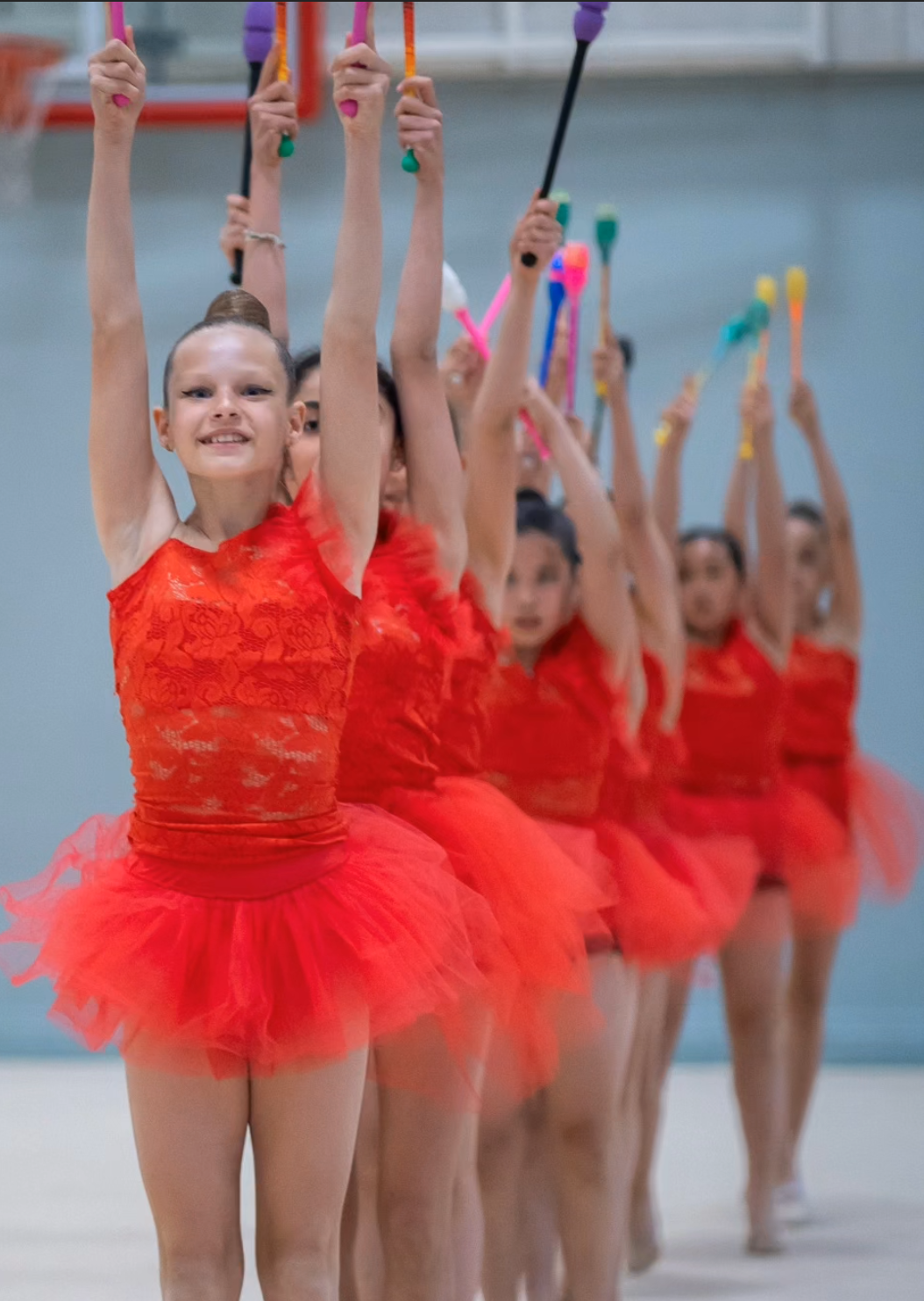
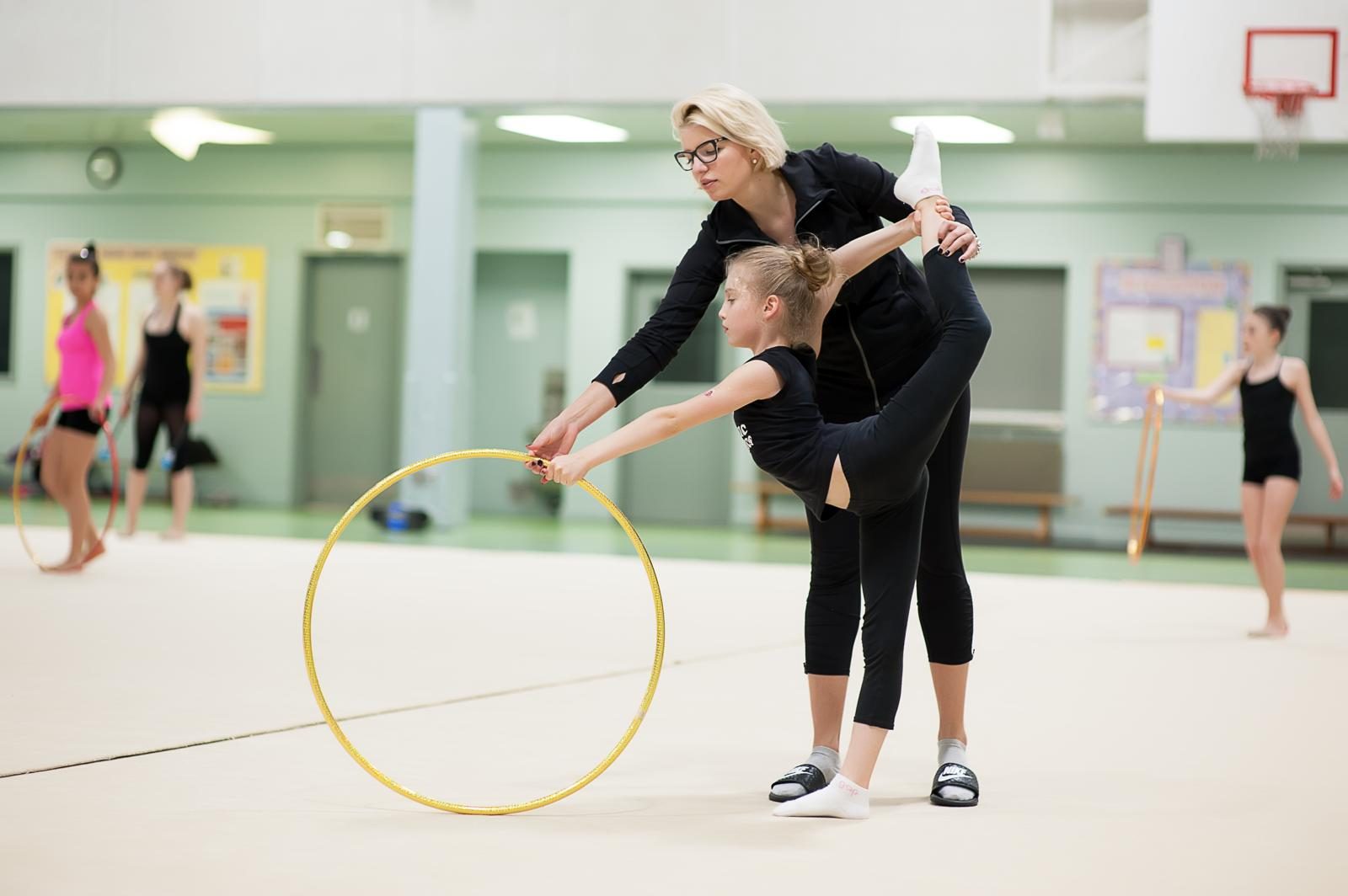
For beginner-level classes, the club provides recreational rhythmic gymnastics equipment, including ropes, balls, hoops, clubs, and ribbons. As gymnasts progress to competitive levels, they will use their own professional apparatus that meets the requirements and standards of the relevant rhythmic gymnastics federation.
What progress can we expect after the first year of training?
+
Progress depends on each gymnast’s individual development and the regularity of training. With consistent attendance—ideally at least twice a week—beginners can expect to develop a strong foundation in rhythmic gymnastics and basic gymnastics skills.
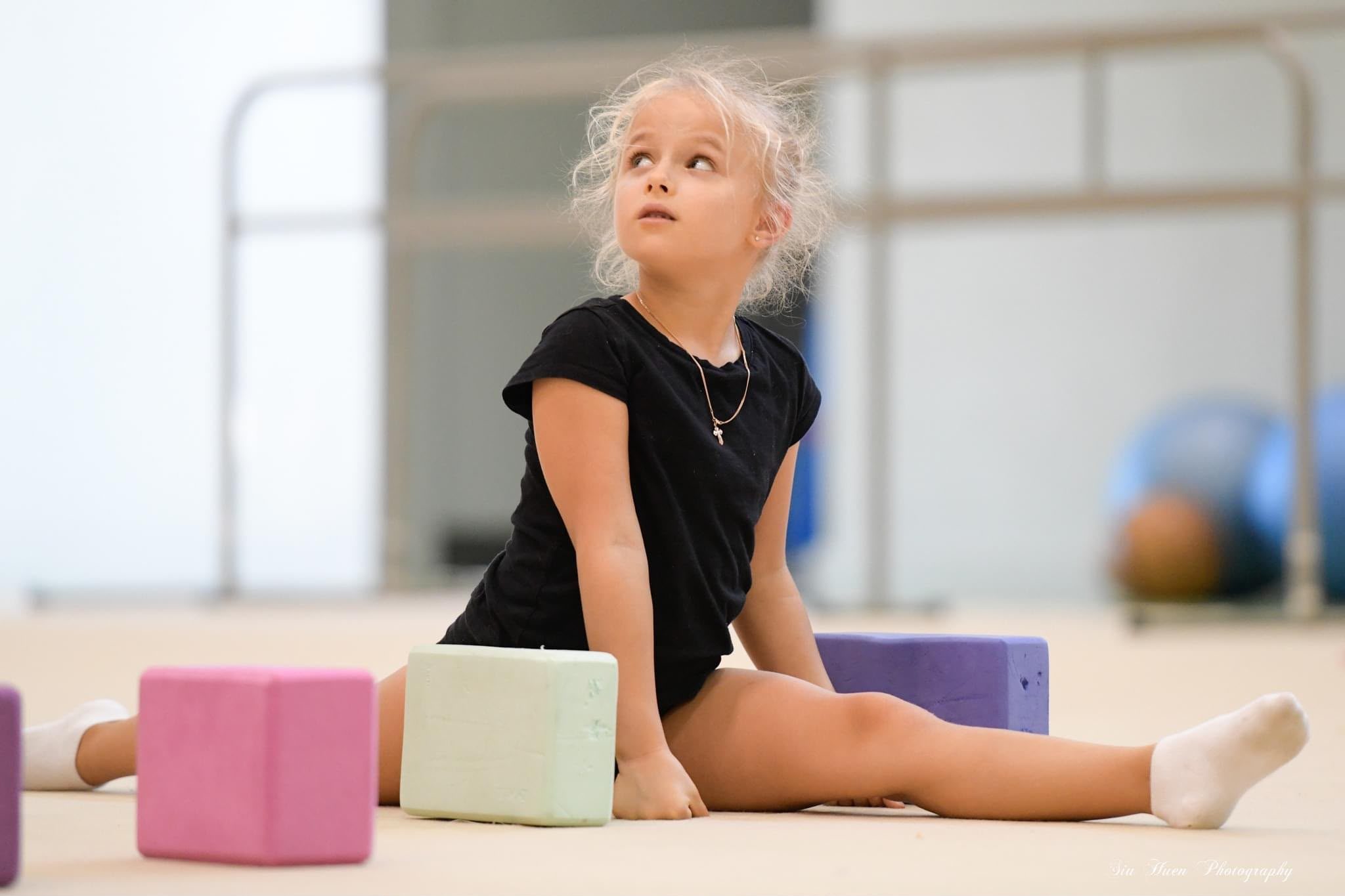
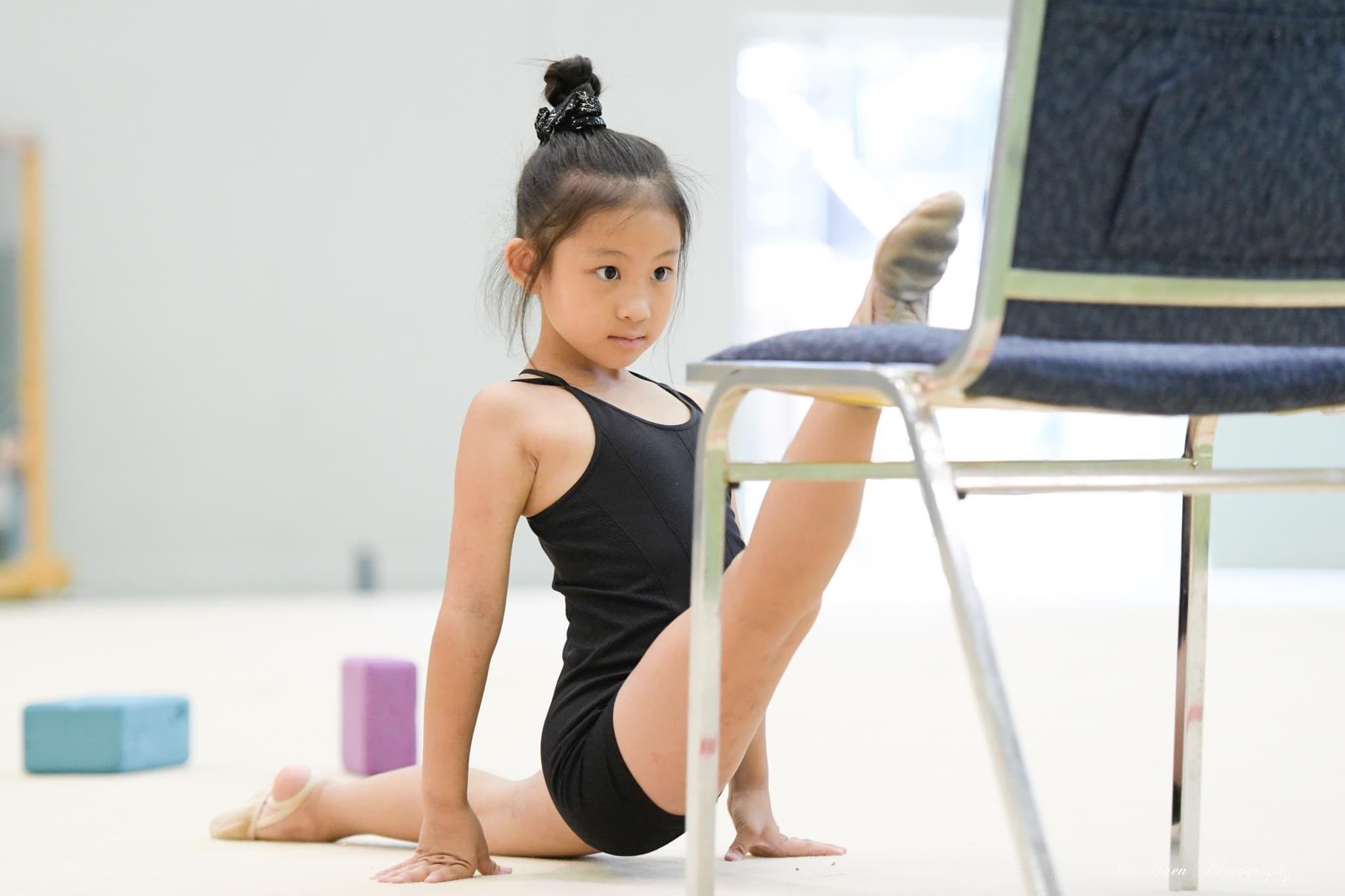
By the end of the first year, gymnasts may learn skills such as forward and backward rolls, cartwheels, bridges, splits or half-splits, wall-supported handstands, and forward and backward rope skipping. They will also be introduced to basic jumps, balances, and rhythmic gymnastics movements.
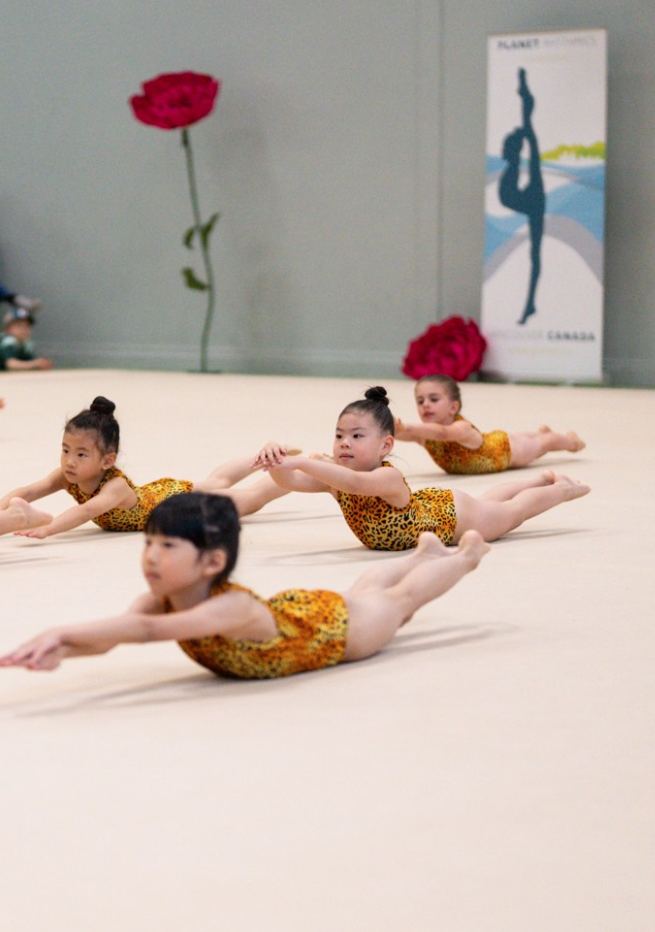
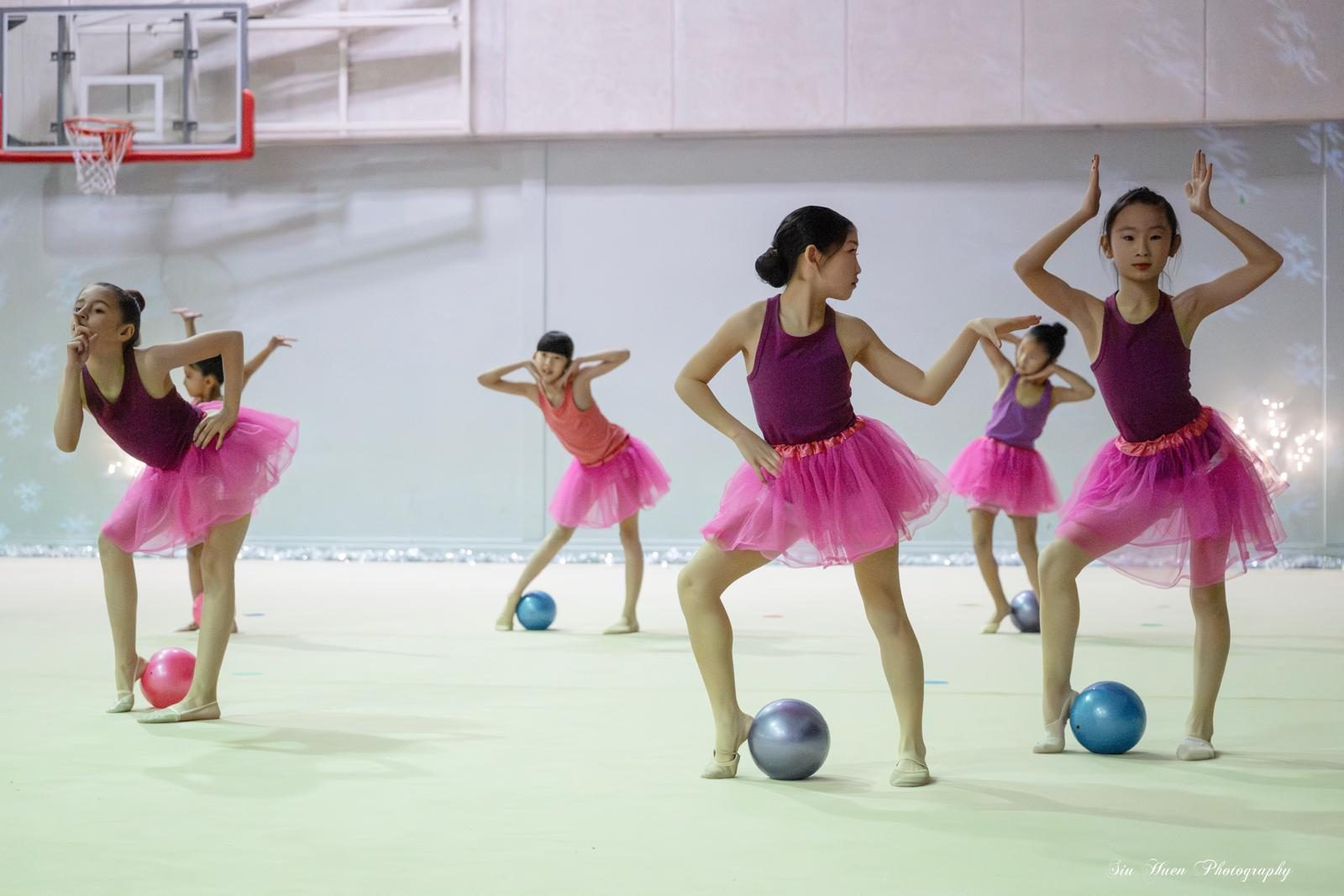
Gymnasts will also have the opportunity to learn and perform a group routine, prepared with the help of their coach, approximately twice a year in front of an audience.
What is the difference between the Recreational and Competitive programs?
+
The main differences are the goals of the program, the level of commitment, and the amount of training.
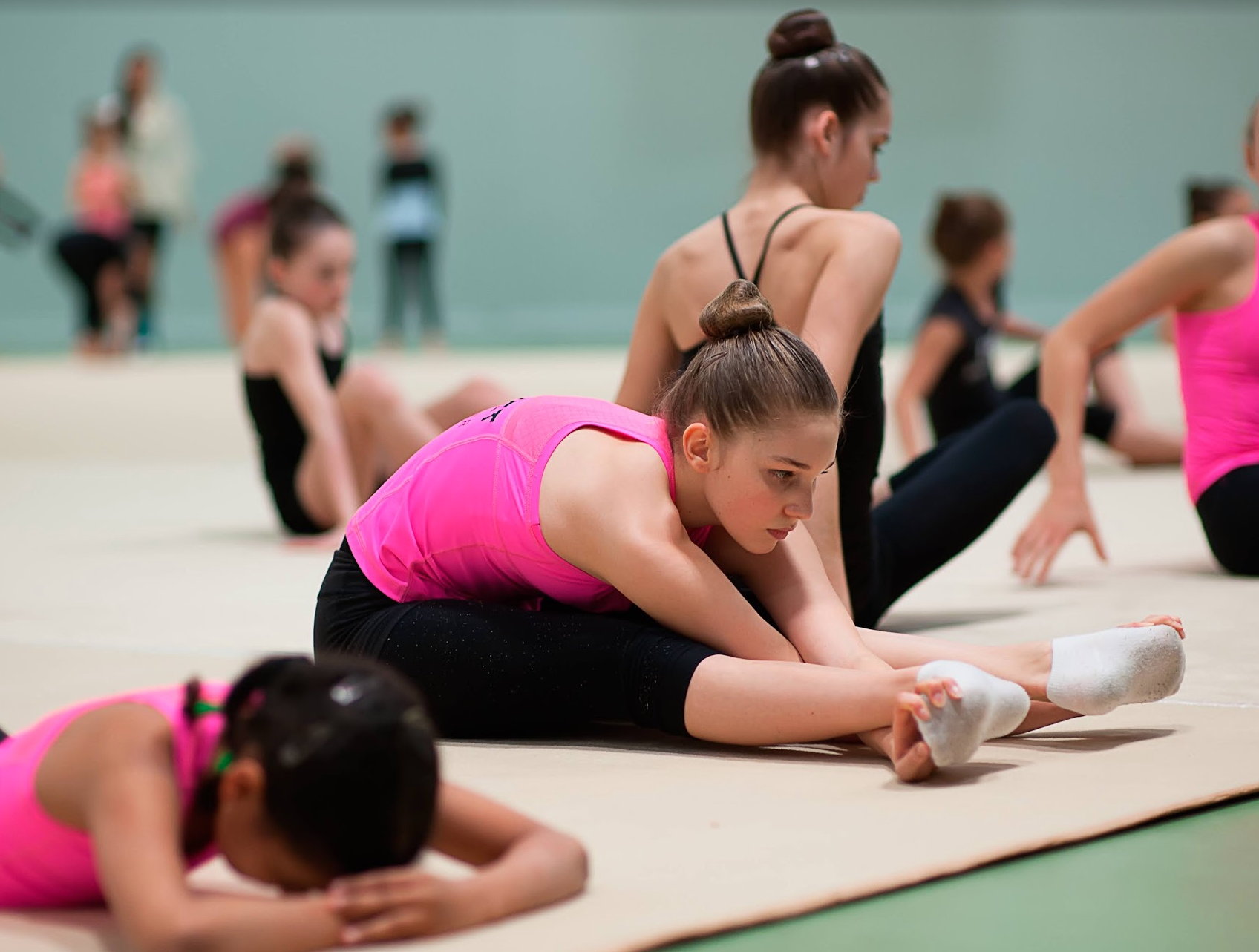
Recreational (Rec) classes focus on developing fitness, flexibility, coordination, body awareness, and fundamental rhythmic gymnastics skills in a fun and supportive environment. The program is ideal for girls who want to enjoy rhythmic gymnastics without the commitment of competitive training.
Competitive (Comp) training is designed for gymnasts who want to pursue rhythmic gymnastics at a higher level. It involves more frequent and intensive training, greater commitment, and a focus on developing advanced skills, routines, and competition readiness. Gymnasts in the competitive program participate in competitions and work toward achieving their individual athletic goals.
What is the best age to start rhythmic gymnastics?
+
There is no single “best” age to start rhythmic gymnastics, as every child develops at their own pace. Readiness can depend on a child’s ability to focus, follow instructions, learn new movements, and enjoy the training environment.
Around age 5, many children are ready to begin learning the foundations of rhythmic gymnastics and may progress quickly as they develop coordination, flexibility, and movement skills.
However, starting later does not mean a gymnast cannot achieve a high level. Motivated athletes who begin rhythmic gymnastics at 8–9 years old can also make excellent progress, especially when they are focused, dedicated, and enjoy learning new skills.
Can we combine other sports with rhythmic gymnastics?
+
Absolutely! Rhythmic gymnastics can be an excellent complement to many other sports. It develops flexibility, coordination, balance, body awareness, strength, and movement quality—skills that can benefit athletes across a wide range of disciplines.
Rhythmic gymnastics can be especially beneficial alongside figure skating, swimming, synchronized swimming, acrobatics, artistic gymnastics, diving, tennis, and many other sports.
Is rhythmic gymnastics a girls-only sport?
+
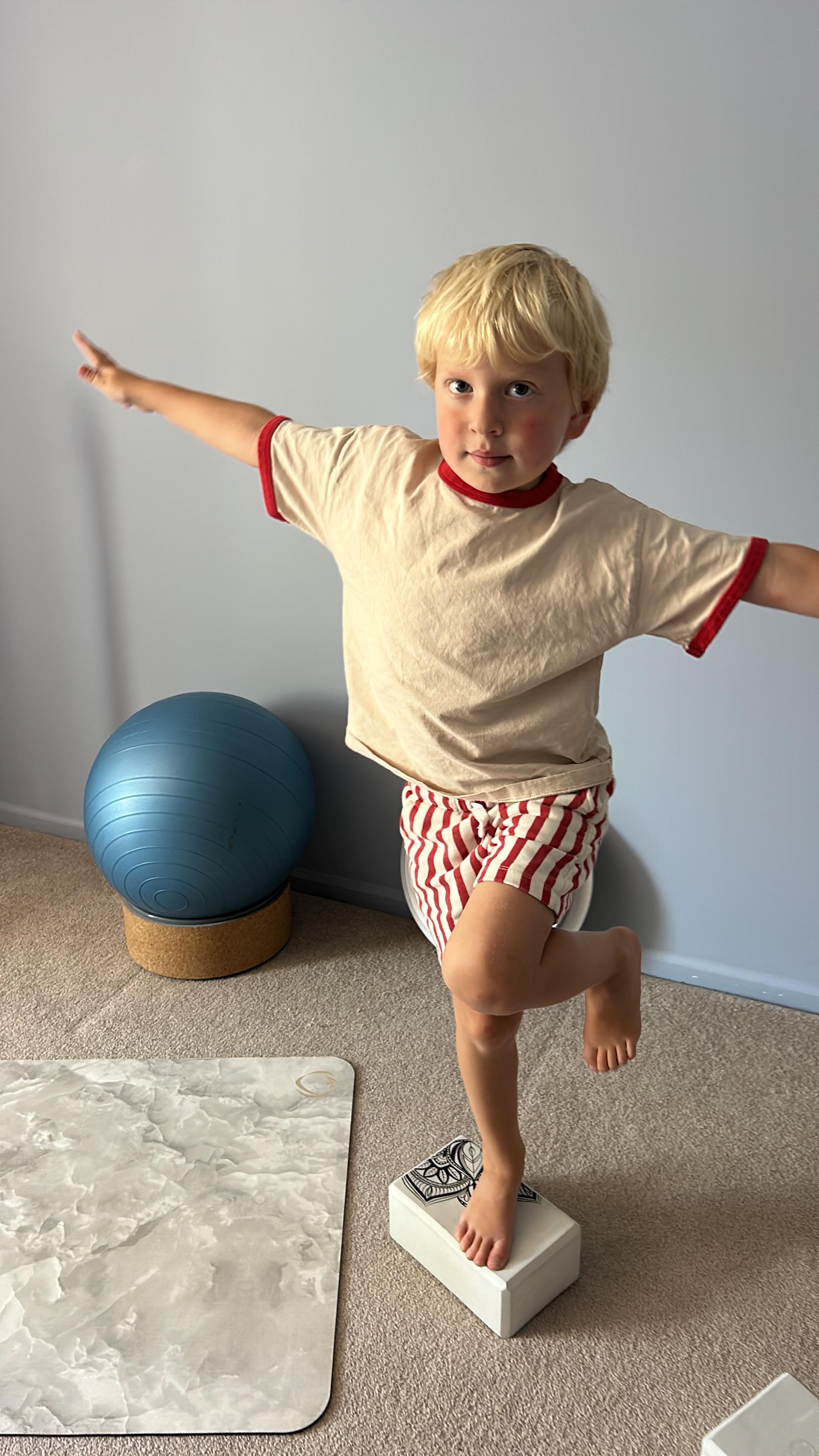
Rhythmic gymnastics has traditionally been a predominantly female sport, but in recent years, more boys have been participating and competing, particularly in some European countries.
At our club, we welcome boys who are interested in developing their gymnastics skills. We offer a Boys, Boys, Boys program designed to develop coordination, flexibility, strength, balance, and body awareness while introducing children to fundamental gymnastics and acrobatic skills.
Our goal is to help every child build confidence, physical literacy, and a strong foundation for an active and healthy lifestyle.